Key Takeaways
- Elon Musk confirms Neuralink will reach high-volume production by the year 2026.
- Surgical procedures will become almost entirely automated using advanced robotics.
- New surgical techniques will allow device threads to pass through the dura without removing it.
- The company is officially transitioning from clinical trials to full-scale commercialization.
The Dawn of Commercial Brain-Computer Interfaces
Elon Musk has officially announced that Neuralink will begin high-volume production of its brain-computer interface devices in the year 2026. This announcement signals a definitive end to the exclusive clinical trial phase and opens the door to widespread commercial availability. For years, the scientific community has anticipated this exact pivot, where experimental biohacking transitions into accessible consumer technology.
Fully Automated Robotic Surgery
Scaling up production requires a surgical process that is as efficient as the manufacturing line itself. To achieve this, the implantation procedure is set to become almost entirely automated. By removing human error and fatigue from the equation, the company aims to perform thousands of successful implants annually. As the technology rapidly advances, discussions regarding whether human consciousness will operate like a software platform are moving from speculative science fiction to immediate reality.
Revolutionary Dura Penetration
One of the most significant medical breakthroughs announced is the method of implantation. The automated robots will pass the microscopic device threads directly through the dura mater, which is the tough outermost membrane surrounding the brain. Previously, accessing the brain required removing a portion of this protective layer. Bypassing this step drastically reduces recovery time, minimizes tissue trauma, and lowers the risk of post-operative infection.
Moving Beyond Clinical Trials
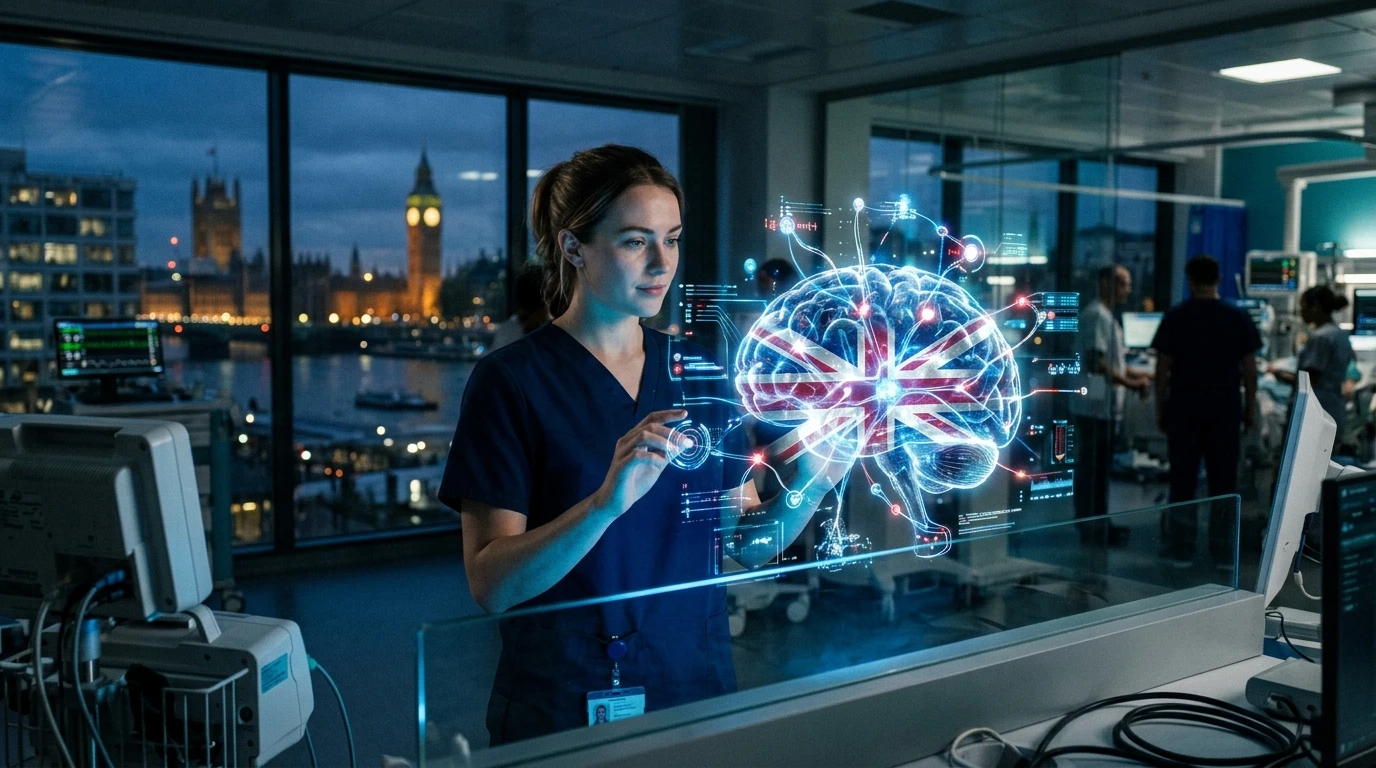
This timeline represents a major milestone for human-computer interaction. The shift toward mass commercialization means that Neuralink is preparing to integrate its hardware into everyday medical and consumer markets. Following international progress, including successful early trial expansions in the United Kingdom, the infrastructure for a global rollout is already being established. By the year 2026, the barrier between human cognition and digital processing may be permanently altered.