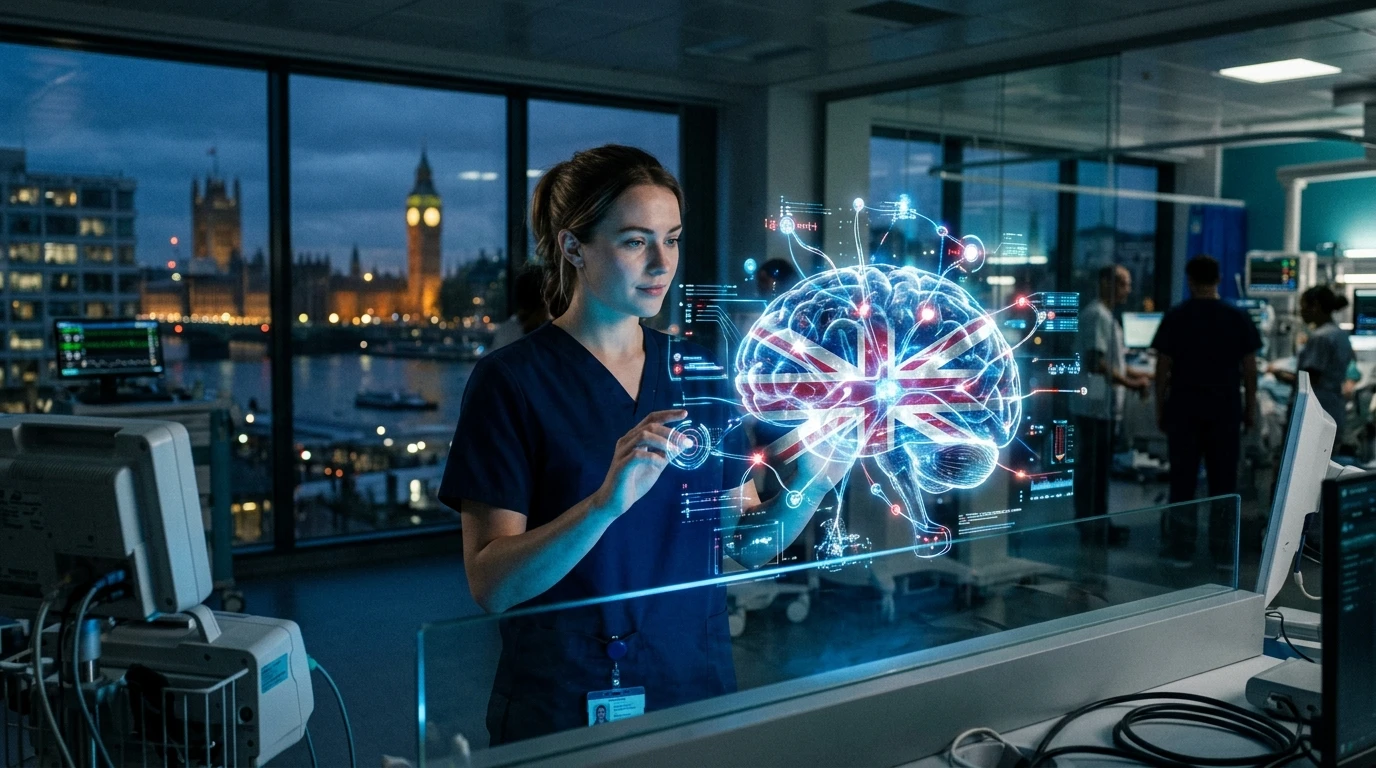
Key Takeaways
- The United Kingdom is accelerating the global neurotechnology race through the groundbreaking GB-PRIME clinical study.
- At the UCLH National Hospital for Neurology and Neurosurgery, 7 paralyzed patients successfully received the Neuralink implant in the year 2026.
- Patients like Sebastian Gomez are achieving unprecedented autonomy, controlling digital interfaces entirely through thought.
The Biological Paradigm Shift in Neurotechnology
As an analyst deeply entrenched in the complex networks of human physiology, I often draw parallels between the intricate enteric nervous system and the central nervous system. The global race for neurotechnology dominance is accelerating at a remarkable pace, and the United Kingdom is making massive strides with the initiation of the GB-PRIME study. The successful integration of a brain-computer interface into human subjects represents a monumental shift in how we understand neural plasticity, motor function recovery, and the seamless integration of biological and digital systems.
Clinical Milestones at UCLH
In the early months of the year 2026, the clinical teams at the UCLH National Hospital for Neurology and Neurosurgery completed a profound medical milestone. Exactly 7 paralyzed patients successfully received the highly advanced Neuralink brain-computer interface implant. This marks a crucial international expansion for the technology, moving beyond the borders of the United States and establishing a new frontier in European neuro-innovation. The peer-reviewed data emerging from these initial surgical procedures suggests a high rate of biocompatibility and a minimal inflammatory response within the cortical tissue.
Restoring Autonomy Through Neural Mapping
The biological mechanics behind this technology are astounding. By placing ultra-fine threads directly into the motor cortex, the implant reads neural spikes and translates them into actionable digital commands. For individuals experiencing severe paralysis, this is not merely a technological novelty; it is a profound restoration of independence. The implant effectively bypasses damaged spinal pathways, creating a direct conduit between cognitive intention and external environmental control.
The Clinical Case of Sebastian Gomez
The clinical outcomes observed in the GB-PRIME trial provide life-changing autonomy to patients. A prime example is Sebastian Gomez, one of the first recipients in the United Kingdom cohort. Following his post-operative recovery and the initial algorithmic calibration phase, Sebastian Gomez can now control digital devices entirely through conscious thought. Analyzing the data from his neural pathways demonstrates a highly efficient integration between organic brain tissue and synthetic processing units, marking a definitive victory for modern neuro-engineering.
Future Implications for Human Neurological Health
Looking forward, the expansion of the Neuralink trials poses significant questions for the future of human health. Just as optimizing digestive wellness requires a systemic, evidence-based approach to the body, optimizing neurological health through brain-computer interfaces will require rigorous data collection over the coming decades. The functional success of the 7 patients in the GB-PRIME study provides a robust, scientifically validated foundation for the next generation of clinical neuro-interventions.