Key Takeaways
- Neuralink has initiated wireless software updates for human brain implants, effectively transforming the human mind into an upgradable operating system.
- The technological paradigm is shifting rapidly from essential medical intervention to elective, commercialized cognitive enhancement.
- Unprecedented ethical dilemmas are emerging regarding the absolute ownership of neural data and the critical cybersecurity of the human brain.
The Dawn of the Digital Mind
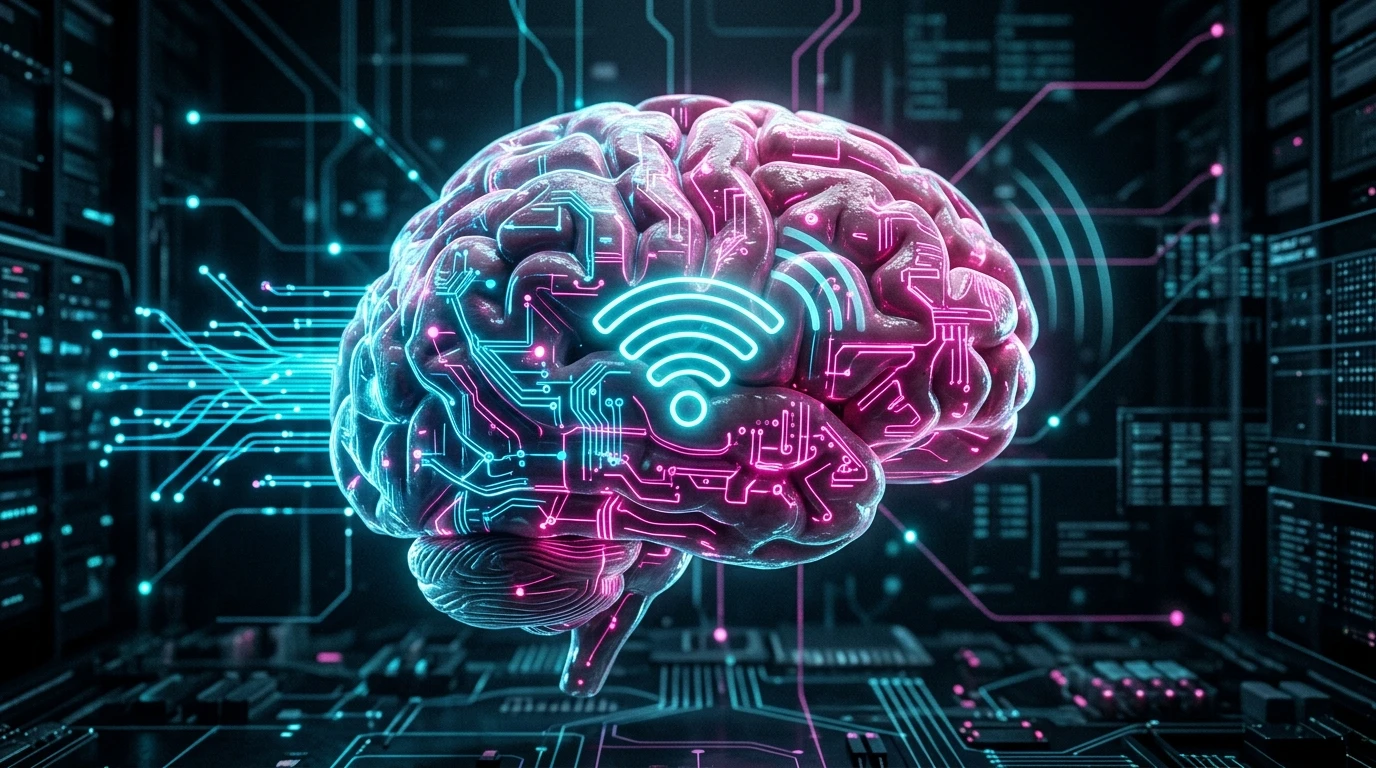
The recent revelation that human patients equipped with a Neuralink device can receive wireless software upgrades has ignited a profound, inescapable ethical debate. For millennia, the human brain has been understood as a strictly biological entity—a static, albeit plastic, system governed entirely by genetics, environment, and natural maturation. Today, we are witnessing a monumental paradigm shift. The human brain is no longer merely a biological organ; it is actively becoming a software platform capable of receiving over the air patches. As an observer of geopolitical and technological shifts for over 20 years, I must state unequivocally that few developments possess the sheer existential gravity of wireless neurological modification.
From Medical Necessity to Elective Enhancement
Initially, brain computer interfaces were championed exclusively as miraculous interventions for individuals suffering from severe neurological degradation or catastrophic physical paralysis. The foundational goal was purely restorative. However, the introduction of wireless updates signals a trajectory that extends far beyond fundamental medical necessity. We are rapidly approaching the precipice of elective cognitive enhancement. When a private corporation can seamlessly transmit a software update to optimize neural firing rates, regulate mood, or enhance memory retention, the definitive line between healing a deficit and upgrading a human being dissolves entirely.
Consider the macroeconomic and societal implications if a substantial segment of the population adopts these upgrades. We may soon face a society stratified not merely by generational wealth or geographic borders, but by raw cognitive processing power. Those without access to the latest neural software could find themselves at a distinct, insurmountable disadvantage, rendering biological baseline cognition functionally obsolete in a hyper competitive global economy.
The Commodification of Neural Data
Perhaps the most pressing concern involves the absolute sanctity of our internal lives. If Neuralink or any competing neurotechnology firm constructs the digital architecture through which our thoughts are processed and transmitted, we must critically examine the concept of data ownership. Who fundamentally owns the telemetry of your mind?
When a standard smartphone application crashes, it is a minor inconvenience. When a neural implant requires a critical security patch to prevent unauthorized access to your motor functions or sensory inputs, it becomes a matter of absolute bodily autonomy and survival. The cybersecurity of the human mind is no longer a speculative fiction trope; it is an immediate, glaring vulnerability. If corporate entities hold the encryption keys to our cognitive platforms, they possess an unprecedented, terrifying degree of leverage over human consciousness itself.
A Call for Uncompromising Regulation
We are currently navigating a profound and dangerous regulatory vacuum. Global institutions and sovereign governments must immediately pivot from evaluating mere physical surgical safety to scrutinizing the long term psychological, societal, and ethical ramifications of commercialized brain software. We cannot afford a reactive posture. The integration of wireless technology into human neurology demands uncompromising oversight, flawlessly robust encryption standards, and the immediate drafting of an irrevocable bill of neural rights. As we eagerly upgrade our minds to keep pace with artificial intelligence, we must ensure we do not inadvertently surrender our fundamental humanity.