Key Takeaways
- Global energy markets are reeling as crude oil hits 95 dollars and 47 cents per barrel.
- The closure of the Strait of Hormuz is disrupting the cold-chain shipping of sensitive peptide therapies.
- Consumers can expect the cost of imported longevity therapeutics and biohacking supplements to skyrocket in the coming months.
Energy Crisis Hits the Biotech Sector
Global energy markets are in absolute turmoil. On April 20, 2026, Brent crude oil surged to an astonishing 95 dollars and 47 cents per barrel following the sudden closure of the Strait of Hormuz amid rapidly escalating tensions in the Middle East. While the mainstream media focuses on pain at the gas pump, a silent crisis is unfolding in the world of anti-aging and cosmetic science.
Supply Chains for Peptides and Supplements Severely Disrupted
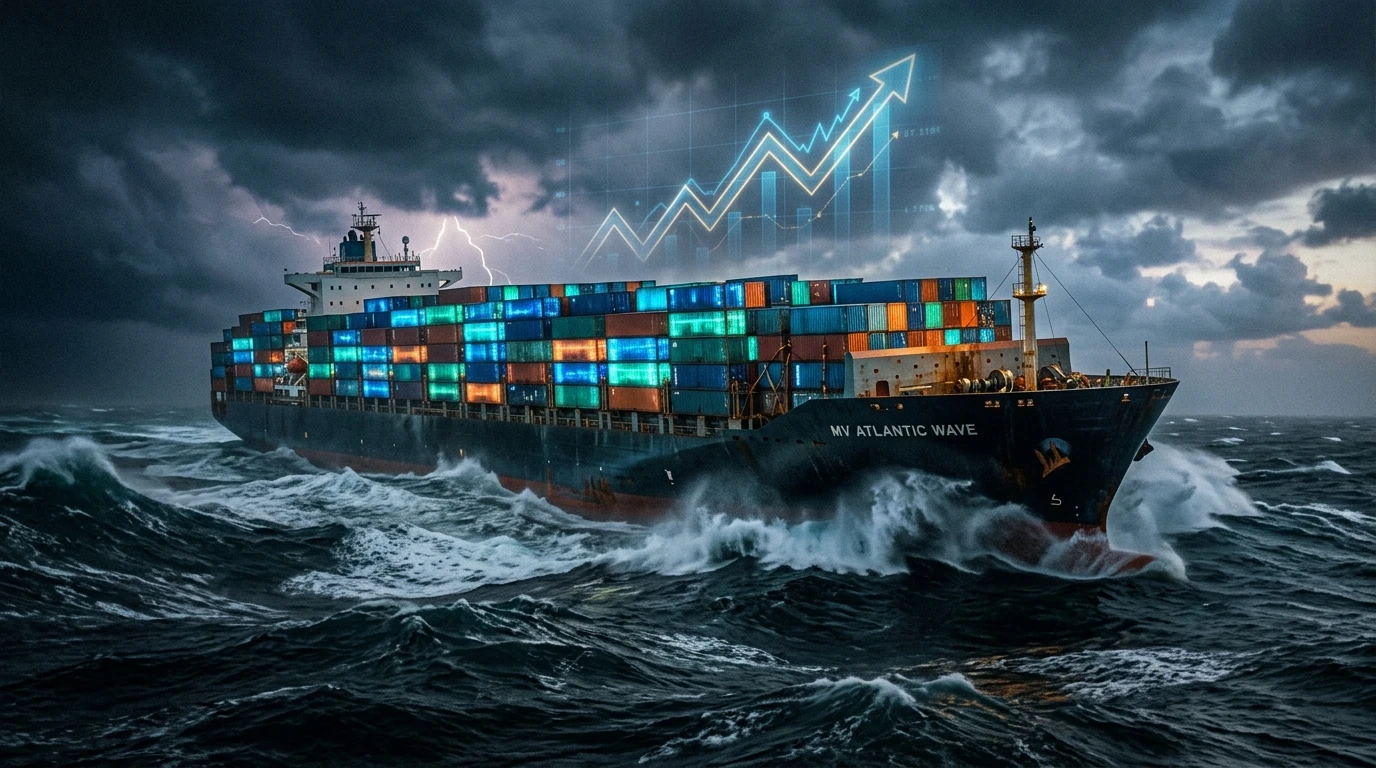
The spike in global fuel prices is severely impacting the complex logistics required for biohacking therapeutics. Sensitive peptide therapies rely on strict, energy-intensive cold-chain shipping. When fuel costs explode, the specialized transport required to keep these fragile compounds stable becomes financially unsustainable for many distributors. Supply chain risks were already dangerously high due to ongoing global shortages, and this latest geopolitical shock is pushing the industry to the breaking point.
What This Means for Biohackers and Consumers
If your longevity protocol relies on international shipments, brace your wallet. Industry insiders confirm that biohackers can expect the cost of imported longevity therapeutics to skyrocket over the next quarter. As shipping companies pass their inflated overhead down the line, premium anti-aging compounds will see massive price hikes. For instance, individuals focused on optimizing cellular energy and NAD levels will likely see their monthly supplement bills double.
Strategies to Navigate the Price Hikes
With international supply chains compromised, consumers must pivot. Experts recommend stocking up on essential, shelf-stable longevity supplements immediately before the current inventory runs out and the new, higher-priced batches hit the market. Additionally, sourcing peptides from domestic laboratories could temporarily bypass the exorbitant international shipping fees driven by the current 95 dollars per barrel crude oil crisis.