Key Takeaways
- Neuralink officially transitions to high-volume production, targeting over 1000 brain chip implants in the year 2026.
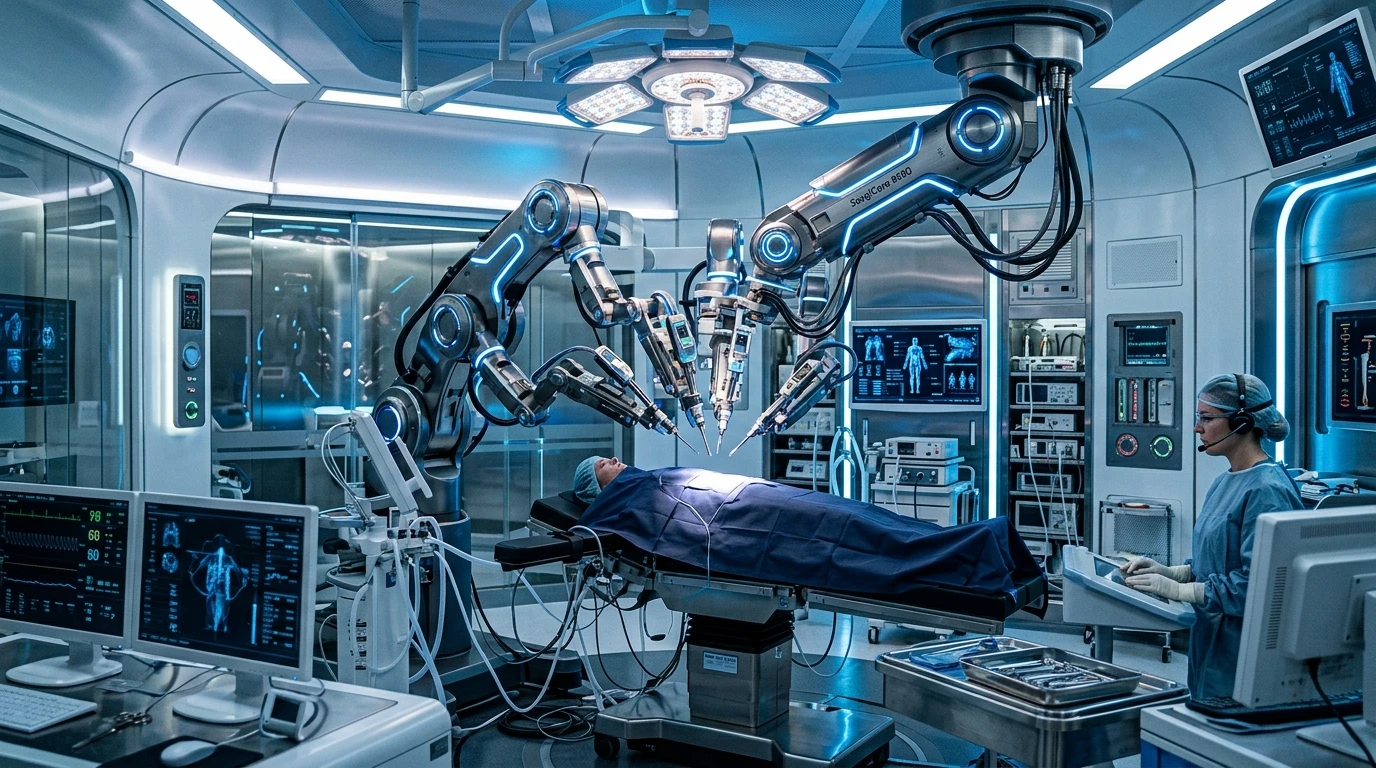
- Tesla R1 robots now automate the surgery, cutting the operation time to under 30 minutes.
- The FDA grants broader approval for the procedure following the success of the initial 12 human trials.
The Dawn of Mass Neural Integration
The era of widespread human-machine integration has arrived. Neuralink, the neurotechnology company founded by Elon Musk, has officially shifted from limited clinical trials to high-volume commercial production for the year 2026. The company has announced an aggressive deployment strategy, aiming to successfully implant over 1000 brain-computer interface chips within the calendar year. This rapid scaling marks a definitive milestone in biotechnology, moving the concept of neural mapping from the laboratory to the general public.
Automated Precision: The Tesla R1 Robot
Scaling up to 1000 surgeries requires unprecedented efficiency, and Neuralink has found its solution through corporate synergy. The surgical procedure is now almost entirely automated, utilizing Tesla AI-driven R1 robots. These highly advanced machines execute precision insertions of neural threads into the brain cortex with an accuracy rate unmatched by human hands.
Because of this robotic automation, the entire surgical intervention now takes under 30 minutes. Patients require minimal anesthesia, and the rapid execution significantly reduces the risk of postoperative complications. The integration of Tesla robotics into the medical field represents a fundamental shift in how complex neurosurgery is approached and executed.
FDA Green Light and Future Implications
This massive expansion is legally backed by federal regulators. Following the undeniable success and safety data gathered from the first 12 patients, the FDA has officially given the green light for wider accessibility. The initial cohort demonstrated remarkable capabilities, from controlling digital cursors to operating complex software interfaces using only their thoughts, without any severe adverse medical events.
Reshaping Human-Machine Interaction
With regulatory hurdles cleared and production lines optimized, Neuralink is no longer just a medical device for severe neurological conditions; it is the foundational technology for the next stage of human evolution. As 1000 new users come online in the year 2026, the global tech landscape is preparing for a paradigm shift. The barrier between biological thought and digital execution is vanishing, permanently reshaping how humanity interacts with the digital world.