Key Takeaways
- Integrating resilient houseplants into your environment can significantly lower cortisol levels and improve respiratory health.
- Species like the Snake Plant and Golden Pothos require minimal water and thrive in suboptimal light conditions.
- Choosing indestructible plants prevents the psychological stress and cognitive load associated with plant care failure.
- Proper indoor gardening serves as an effective, low-effort biohacking tool for enhancing domestic wellness.
The Intersection of Endocrinology and Botany
As a health analyst with over 15 years of experience researching endocrinology and physical wellness, I frequently emphasize the profound impact of our immediate physical environment on hormonal balance. Chronic environmental stress elevates cortisol levels, leading to systemic inflammation and metabolic disruptions. Interestingly, integrating nature into our living spaces is a scientifically validated method to lower sympathetic nervous system activity. However, the anxiety of keeping delicate, high-maintenance plants alive can entirely negate these physiological benefits. That is why I advocate for resilient, practically indestructible botany. Here is a definitive, analytical guide to 5 basic houseplants that require almost zero effort to maintain.
5 Resilient Houseplants for Beginners
1. The Snake Plant
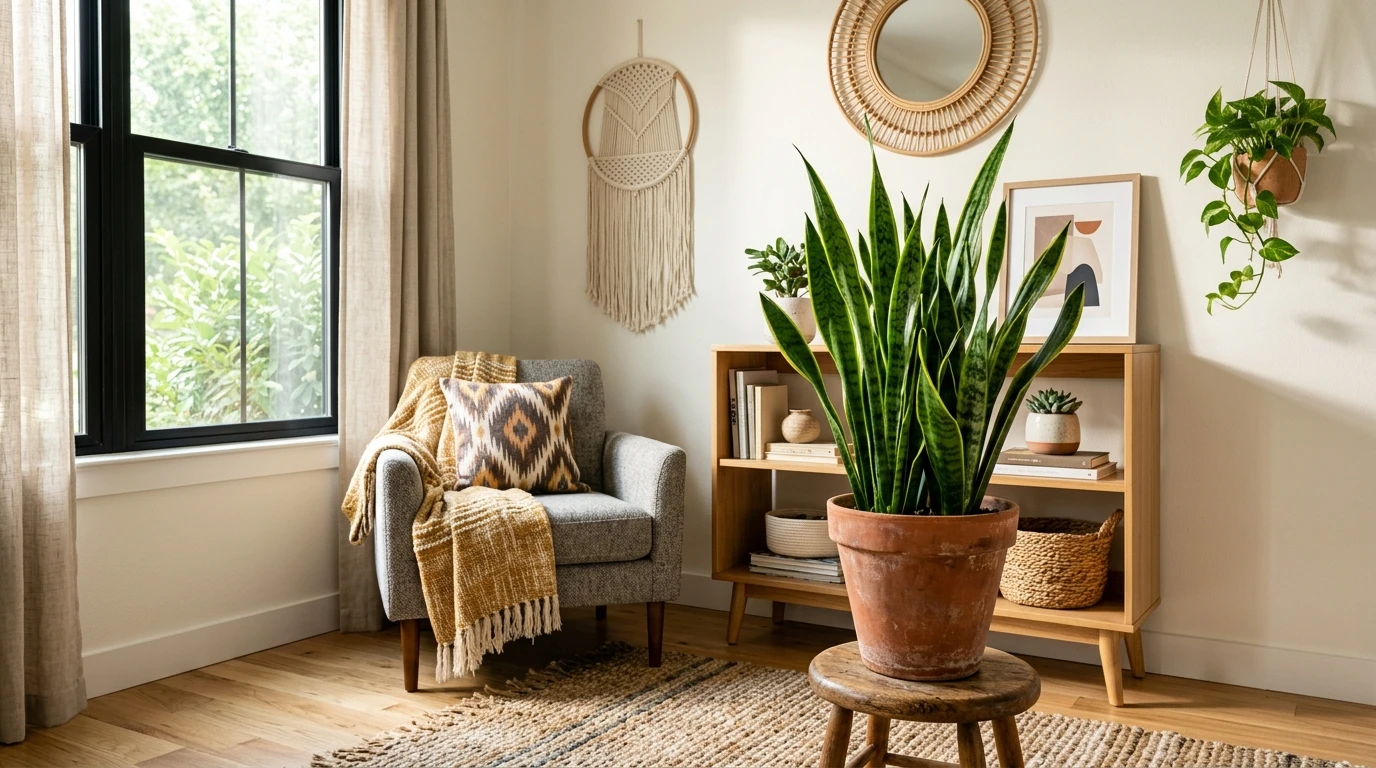
The Snake Plant is an architectural marvel that doubles as a highly efficient biological air purifier. According to an extensive clean air study conducted by NASA, this specific plant is exceptional at filtering out volatile organic compounds like formaldehyde and benzene from stagnant indoor air. Physiologically, it utilizes Crassulacean acid metabolism, meaning it uniquely continues to release oxygen during the night, making it an optimal addition to a bedroom to support nocturnal respiration. You only need to provide water every 2 to 3 weeks.
2. Golden Pothos
Often referred to as the devil’s ivy, the Golden Pothos is incredibly forgiving. It thrives in low light environments and can easily survive erratic watering schedules. Its trailing vines add significant aesthetic value, which environmental psychologists at the University of Exeter note can increase cognitive focus and workplace productivity by up to 15 percent. The visual stimulus of its vibrant leaves acts as a passive mechanism for stress reduction.
3. The ZZ Plant
Originating from the drought-prone regions of Eastern Africa, the ZZ Plant stores massive amounts of water in its thick, potato-like rhizomes. This brilliant evolutionary adaptation means it can survive months of total neglect. It requires watering only when the surrounding soil is 100 percent dry. This makes it the perfect botanical companion for busy professionals seeking to enhance their environment without adding daily chores to their routine.
4. The Spider Plant
The Spider Plant is a highly adaptable species that propagates with zero intervention, producing small spiderettes that you can easily repot. It is scientifically proven to be highly effective at removing carbon monoxide and xylene from indoor atmospheres. For individuals dealing with mild respiratory sensitivities, adding a Spider Plant to your living room can passively support better oxygenation and lung health.
5. The Cast Iron Plant
True to its robust name, the Cast Iron Plant can withstand extreme neglect, incredibly low light, and fluctuating indoor temperatures. Native to shaded environments in Japan, it grows slowly but consistently. This plant proves definitively that you do not need advanced horticultural skills to cultivate a biologically active, visually soothing indoor space.
Optimizing Your Indoor Environment
Failing at indoor gardening is almost always a result of overwatering rather than underwatering. By strategically selecting these 5 indestructible species, you are actively biohacking your living space. You successfully eliminate the cognitive load of complex plant care while simultaneously reaping the profound, evidence-based physiological rewards of biophilic design.